People remember a great party by how it felt. The laughter around the bounce house, the quick line for the water slide on a hot afternoon, the way guests found a seat without hunting for a chair. Those are the small signals that someone handled the details, and handled them well. After fifteen years working inside event rental services, I have seen both sides. When the right team shows up on time, with clean inflatable rentals, secured properly, and the right count of tables and chairs, hosts get to be hosts rather than logistics managers. When those basics slip, the entire day wobbles.
This guide breaks down what separates a trusted party rental company from the rest, using the nuts and bolts that matter onsite. If you are booking bounce house rentals or water slide rentals for the first time, or if you are refining your vendor shortlist, the specifics below will help you navigate options with confidence.
What “trusted” looks like in practice
That word gets tossed around freely. In the field, a trusted party rental company earns the label through predictable behavior. Calls are returned the same day. Quotes are clear, deposits and balance dates are spelled out, and delivery windows are honored. Their crew shows up in marked vehicles, with equipment that looks cared for, and a plan for traffic flow, anchoring, and teardown. When weather shifts or an access gate is narrower than expected, they propose solutions instead of excuses.
Trust also shows up in paperwork. Legitimate insurers cover commercial general liability and often inland marine for equipment. Reputable companies can provide a certificate of insurance that names your venue or municipality as additionally insured if needed. They comply with ASTM guidelines for inflatable rentals and use staking or ballast weights rated for the unit and expected wind. If they operate water slides, they understand slip-resistant mats, water routing, and the power demands of blowers and pumps. None of this is glamorous, but it is the backbone of reliable party rentals.
Clean inflatable rentals are not optional
Inflatables are fun because they invite kids to forget themselves. That only works if caregivers trust the cleanliness and condition of the unit. A professional provider treats sanitation as a system, not an afterthought. The process is consistent: a quick dry sweep to remove debris, surface cleaning with a disinfectant approved for vinyl, targeted attention to high-touch areas like entrances and handholds, then a second pass with a clean microfiber to remove residue. Good crews finish each cleaning by drying seams and corners to prevent mildew and sticky spots.
On busy summer weekends, I have seen companies turn around a water slide in under two hours and still keep a high standard. The trick is staging. Protective tarps go down first to keep the bottom of the inflatable off the ground. A dedicated rinse hose knocks down dirt before the disinfectant step. Fans run in the unit while it dries, even in transit. The result is what you want to see when the blower kicks on in your yard: bright colors, no odor, no tacky film, and no hidden damp patches.
Inspecting for damage pairs naturally with cleaning. Seams get visual checks for pulled threads, footers for wear, and netting for splits. Blower tubes and zippers should operate smoothly. Any unit with a questionable patch should be pulled from service until repaired, not “watched” in the field. A trusted team makes that call even when their schedule is tight, because an hour saved today can cost a reputation tomorrow.
Bounce house rentals: fitting the unit to the space and the guests
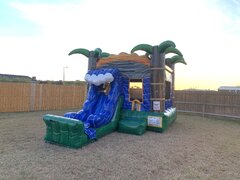
Bounce houses may look similar online, but dimensions and design vary. A standard unit runs about reliable bounce house providers 13 by 13 feet with a height of 12 to 15 feet, and needs a footprint of roughly 17 by 17 to allow safe clearance. Combo units add a slide and can stretch to 15 by 25 feet or more. The biggest mistake I see is choosing by photo instead of measurements. For a typical suburban backyard, a 13 by 13 often fits comfortably, while a giant obstacle course belongs in a school field.
Power matters. Most bounce house rentals use a single 1 to 1.5 horsepower blower on a 12 amp draw. That circuit needs to be dedicated during the event. If your kitchen refrigerator shares it and kicks on, the breaker can trip and deflate the unit. A competent provider asks early which outlets are available, how far they are from the set location, and whether a generator makes sense. If they do not ask, bring it up. A long extension cord on a light gauge can overheat and sag voltage.
Surfaces and anchoring are a safety pivot. Grass is ideal because you can stake deeply with 18 to 30 inch steel anchors. On turf or concrete, the crew should use ballast weights that match the unit, often 50 to 100 pounds per required anchor point. Sandbags tossed casually on a corner do not count. The setup also needs a smooth approach and a landing area for any slide. The best installers carry ground stakes, high visibility cones, and extra mats, and they do not hesitate to move a unit a few feet if tree limbs or a sloping grade raise red flags.
Age ranges deserve attention. Toddlers bounce differently than teens, and a mixed-age jumble invites collisions. If your guest list includes a wide spread, consider a separate toddler inflatable or anticipate rotating age groups in intervals. I have watched a quiet party turn stressful because older cousins swamped a small unit designed for six kids under eight. Right-sizing the rental prevents policing the fun.
Water slide rentals: water management, safety, and cleanup
A water slide looks simple, yet it introduces new variables. First is water flow. Slower is safer, and more fun. A good slide needs only a moderate garden hose flow routed through a drip line at the top. Cranking the spigot never improves it. High-flow setups can flood the landing area, encourage running, and increase slip risk around the entrance.
Drainage is next. Ask where the water will go once it leaves the splash pad. On a mild slope, you can guide it with mats, small channels, or even a few bags of mulch to protect a flower bed. On hardscapes like pavers, plan for puddling and consider anti-slip mats. If there is a basement entry nearby, protect it with a lip or sand tube. A careful installer will do a quick walkaround with you, point to the downhill side, and choose a landing that keeps water away from door thresholds.
Sanitation and mold prevention sit behind the scenes. After pickup, slides must be fully drained, inflated long enough to air dry, then wiped. Units that leave wet and stay rolled for a day will smell musty by the next weekend. You can sniff out providers who cut corners: ask whether slides are stored inflated overnight after use during peak season, and how they manage humidity. You should hear practical answers about industrial fans, racked storage, and rest cycles.
Safety in wind deserves a plain threshold. Industry practice pauses inflatables at 15 to 20 mph sustained wind, with gust thresholds often lower. A reliable provider monitors weather the night before and morning of the event and will call if wind is forecasted near limits. They should advise you about shade sails, tree canopies, and fences that create unpredictable gusts. In my experience, calling off a slide in marginal wind wins customers long term, because the rationale is clear and consistent.
The quiet backbone: table and chair rentals done right
Guests rarely comment on chairs until they run out, wobble, or arrive dusty. Clean, uniform seating and tables at the right count set the tone. The math is straightforward. For backyard parties, plan one chair per expected guest plus five to ten percent. For mingling heavy events, like open houses, you can reduce to about 70 percent seating, provided there are enough cocktail tables to perch a plate and drink. Rectangular 6 foot tables seat six comfortably, eight if you stretch, while 8 foot tables seat eight to ten. Round 60 inch tables seat eight, 72 inch rounds seat ten to twelve, but require more floor space.
A company that treats table and chair rentals seriously sends gear wrapped or banded, wiped, and sorted by type. They carry nylon sliders to protect floors, spare caps for table legs, and a few extra chairs in the truck. They ask about delivery paths through houses, stair counts, and elevator access. I have seen load ins go sideways because the only access path was through a narrow side gate blocked by a fixed grill. A quick photo exchange during booking prevents that scramble.
Linens and tenting often ride alongside seating. Ask whether linens arrive pressed on hangers or in bags, and confirm pickup expectations for food stains and wax drips. For tents, confirm staking permissions and underground utilities. In many municipalities, calling utility marking services is free but requires 48 to 72 hours lead time. On short notice, weighted tents might be the answer if ground staking is not permitted.
Booking without friction: how easy party rental booking should feel
A smooth reservation flow reduces stress from the start. You browse a catalog that shows real photos, dimensions, and power needs. Availability updates in real time. When you add items, the system calculates delivery fees by distance and complexity. You choose a delivery window, accept clear terms, pay a deposit, and receive a confirmation with a contact number that reaches a real person.
Behind the scenes, the best teams block travel time that reflects traffic and known bottlenecks in your area. They assign crews who are qualified for your mix of equipment. If you add a water slide to a bounce house mid-week, they recheck truck space and adjust routes. If you need last minute party rentals because weather forced a backyard move or your headcount jumped, they tell you honestly what is possible, and what corners they will not cut. Customers do not expect miracles, they expect straight talk.
For community events and corporate gatherings, detailed proposals matter. Itemized quotes list each inflatable, each set of table and chair rentals, generator counts, cords, and staffing if needed. They show arrival and teardown times, and any venue-specific requirements like load-in docks. When changes arrive, revised quotes replace email threads of “got it” and “we will adjust.” That paper trail makes day-of questions simple to answer.
Day-of logistics: on-time party rentals and site readiness
On setup day, time has a way of compressing. The caterer needs the driveway, the florist needs the shady side of the house, and the birthday child has already peered through the window three times. On-time party rentals help the whole symphony stay in tune. Expect a call or text when the crew is en route, and an arrival within the promised window. The driver introduces themselves, walks the site with you, confirms positions, power, and traffic flow, and then works fast without rushing.
Small details signal professionalism. The crew checks for sprinklers before staking, covers cords with mats across walkways, organizes extra tarps away from guest areas, and secures the blower with a weather hood if rain threatens. They check emergency deflation zippers and show you where they are, then go over simple rules: age mixing policies, capacity, no flips, no shoes, and watch the weather. They leave you a contact number that reaches the route manager.
Tear down is quieter but equally important. Crews pick up trash around the rentals even if they did not make it. They sweep or wipe tables that gathered dew. They coil cords properly so they do not kink and fail on the next job. They stack chairs in stable units and use proper dollies. These habits protect gear and reduce the chance of damage charges or disputes.
Safety and compliance are not negotiable
Inflatables are forgiving until they are not. The safety bar should be high. A trusted party rental company trains staff on setup, anchoring, supervision, and emergency action. They follow ASTM guidelines for spacing, barriers, and wind. For public events, they can provide a copy of their operations manual and staff training checklists. They do not ask untrained volunteers to monitor complex obstacles, and they insist on operator presence for high throughput attractions.
Waivers are common for school and corporate settings. Read them. Fair waivers clarify responsibility without hand waving. They should not waive gross negligence, and they should detail guest responsibilities like removing shoes and jewelry, keeping food and drink off the units, and adhering to posted capacity. A provider who cares about safety posts rules on the unit and goes over them with you.
Power safety gets overlooked. Inflatables generally run on 110 to 120 volts, but the amperage draw adds up when multiple blowers and concession machines share a circuit. Outdoor outlets should be GFCI protected. Extension cords should be heavy gauge with intact insulation and grounded plugs. If a generator is required, it should be properly sized with clean power output. A quiet inverter generator of 3500 to 7000 watts often handles a pair of blowers and a small concession stand, but the exact count depends on the specific units. Ask for a plan, not guesswork.
Clear pricing, real value
The least expensive quote is not always the best deal. Look for transparent pricing with delivery and setup included, or at least clearly listed. Weekend rates, overnight fees, and long distance surcharges should be visible before you pay. Damage waivers make sense when they are modest and tied to accidental damage, not negligent misuse. Deposits in the 20 to 50 percent range are common, with balances due the day before delivery or upon arrival.
Bundled party rental packages can save money if they match your needs. For example, a backyard birthday bundle might include a 13 by 13 bounce house, 20 chairs, two 6 foot tables, and a small cotton candy machine at a discount compared to a la carte. All in one party rentals make planning simpler for block parties and school fundraisers, where a pair of inflatables, a tent, and seating arrive on one truck with a single crew. Evaluate bundles for fit, not just price. If the package includes items you will not use, a tailored quote may cost less.
Ask about cleaning and repair fees. Reputable providers build routine cleaning into the base rate and only charge extra for extraordinary messes like paint or confetti cannons used on inflatables. They should not nickel and dime for wiping tables after normal use.
Stories from the field: what reliability feels like
A Saturday in July, backyard, 40 guests, with grandparents arriving early. The host booked a combo unit and table and chair rentals three weeks ahead. The delivery crew arrived at 8:15 for a 9 to 11 window, found a sprinkler plan taped to the fence by the homeowner, and staked clear of lines. One extension cord was short, so the crew swapped it for a heavier 50 foot cable they carried. The unit inflated, passed a quick wipe on the entrance handle, and the driver walked the host through age rotation plans. At 1 pm, when a summer thunderstorm cell popped, the host deflated for 20 minutes, then reopened safely. That is no stress party planning in the real world, not because nothing went wrong, but because small problems met prepared people.
A school field day, 500 students rotating through stations. The PTA booked multiple inflatable rentals: a large obstacle, a dual lane slide, and a classic bounce. The provider submitted insurance documents to the district two weeks prior, named the school as additionally insured, and scheduled a site walk. On event day, they arrived at 6:30 am, set wind flags at each station, and trained parent volunteers in quick capacity checks and line management. By 10 am, gusts tickled the 18 mph mark. The team paused the slide for a 15 minute window, reopened when the meter steadied, and finished the day without incident. The pause felt conservative, and that is exactly why the school invited them back.
A corporate summer picnic, 150 attendees in a city park with a strict two hour setup window and no staking allowed. The rental company brought weighted ballasts for a 20 by 40 tent, rubber mats to protect the turf under high traffic points, and a generator with a spill kit. Permits and proof of insurance were on hand for the city inspector. When the catering truck hit traffic, the rental crew adjusted their layout to allow the truck a forward in, forward out path without crossing cords. Chairs and tables arrived clean, consistent, and on time. The client noticed one thing above all: problems solved themselves before they became interruptions.
A short planning checklist that actually helps
- Confirm space and access with photos, including gates, stairs, and outlet locations. Match the inflatable to guest ages and power available, and ask about anchoring on your surface. Verify insurance, delivery windows, and what “clean” means for your provider. Plan water flow and drainage if you book water slide rentals, including anti-slip mats. Build a realistic timeline with buffer, especially if you share driveway or yard access with other vendors.
Five questions that separate pros from pretenders
- How do you sanitize and dry your inflatables between rentals during peak season? What are your wind thresholds, and who makes the call to pause or cancel on event day? Can you describe your anchoring method for grass versus concrete, with weight ratings? Do you carry generators, and how do you size them for multiple blowers and concessions? What does your on-time party rentals window mean in practice, and how do you communicate delays?
Choosing the right partner for your event
Every event blends constraints and preferences. A toddler birthday needs soft edges and a predictable schedule. A fundraiser needs throughput, redundancy, and clear safety roles. A neighborhood block party needs simple delivery and easy party rental booking across a few households. The right partner will adapt without overpromising. They will size equipment to your site, set fair expectations about weather and power, and give you one contact who stays reachable.
If you test providers by how they handle the unglamorous details, you will find the teams who quietly make gatherings work. They care about clean inflatable rentals because kids put their faces on them. They map cord runs because they have tripped before and learned. They carry extra stakes, rags, and hand trucks because they expect the unexpected. That is what a trusted party rental company looks like when the truck door slides open and the day begins.